If you’ve ever wondered why silk costs more than cotton or polyester—and whether it’s actually worth the price—this guide is for you.
The Short Answer
Silk is not just a more expensive version of cotton. It is a completely different kind of fabric.
Most fabrics we wear every day—cotton, linen, wool, polyester—are made from short fibers that must be spun into yarn before they can be woven or knit. Silk is different. It is a continuous filament produced by silkworms, meaning one single strand can stretch for hundreds of yards. That structural difference is the source of everything that makes silk unique: its shine, its strength, its breathability, and its unmistakable feel.
In this article, we’ll break down exactly how silk compares to ordinary fabrics, where it outperforms them, and where it falls short—so you can decide for yourself whether silk deserves a place in your wardrobe.
What Is Silk, Exactly?
Silk is a natural protein fiber produced by the larvae of certain moths, most commonly the Bombyx mori silkworm. Each cocoon is made of a single continuous thread that can be up to 900 meters long. When that thread is unwound and woven, it creates fabric with a smooth, lustrous surface and a remarkable combination of properties.
Silk has been prized for thousands of years—first in China, then along the Silk Road, and eventually around the world. Today it remains a symbol of luxury, but it’s also a practical fabric with real performance benefits.
What Counts as “Ordinary Fabric”?
When we say “ordinary fabrics,” we’re talking about the materials that make up most of our clothing and home textiles:
- Cotton – soft, breathable, made from short plant fibers
- Linen – crisp, cool, made from flax fibers
- Wool – warm, elastic, made from animal hair
- Polyester – durable, wrinkle-resistant, made from petroleum-based polymers
- Rayon/Viscose – semi-synthetic, made from wood pulp
- Nylon – strong, elastic, synthetic
Each of these has its strengths. Cotton is comfortable and easy to care for. Polyester is cheap and tough. Wool is warm. But none of them combine the specific set of qualities that silk offers.
The Fundamental Difference: Fiber Structure
The key difference between silk and ordinary fabrics comes down to fiber length and structure.
Cotton, linen, and wool are made of short staple fibers—typically less than a few inches long. To make fabric, these fibers must be spun into yarn, which introduces tiny gaps and irregularities. That’s why cotton feels soft but not smooth, and why linen has a natural texture.
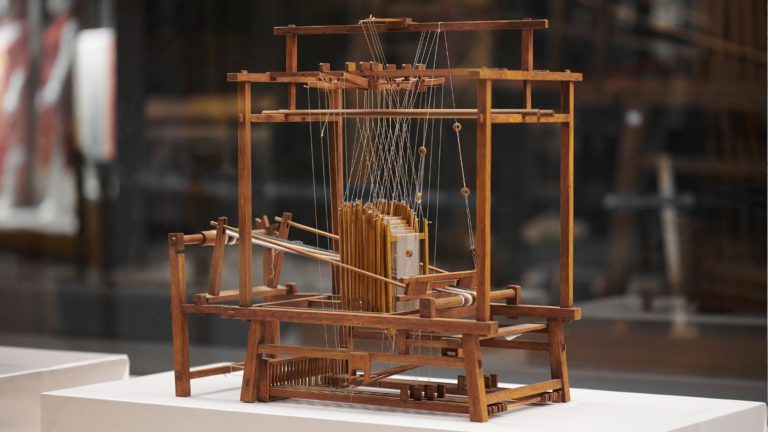
Silk, by contrast, is a continuous filament. It doesn’t need to be spun. The thread is already long, smooth, and strong. When woven, it creates a fabric with a uniform, reflective surface and no fuzzy ends poking out.
This is why silk feels slippery and cool to the touch. It’s also why it drapes so beautifully.
Head-to-Head: Silk vs. Common Fabrics
| Property | Silk | Cotton | Linen | Wool | Polyester |
|---|---|---|---|---|---|
| Natural luster | High, pearl-like | None | None | None | Can be shiny but artificial |
| Hand feel | Smooth, cool, luxurious | Soft, comfortable | Crisp, textured | Warm, slightly scratchy | Smooth or slick |
| Breathability | Excellent | Excellent | Excellent | Good | Poor |
| Moisture absorption | Excellent (up to 30% of its weight) | Good | Good | Good | Poor |
| Temperature regulation | Cool in summer, warm in winter | Moderate | Cool | Warm | Poor |
| Strength | High (when dry) | Moderate | High | Moderate | Very high |
| Elasticity | Good (stretches 10–20% and recovers) | Low | Low | Excellent | Excellent |
| Wrinkle resistance | Low (wrinkles easily) | Low | Very low | Low | High |
| Static electricity | Low | None | None | Low | High |
| Care | Hand wash or dry clean | Easy | Easy | Delicate | Very easy |
| Biodegradable | Yes | Yes | Yes | Yes | No |
| Price | High | Low | Medium | High | Low |
The Advantages of Silk
1. Natural Luster and Luxury
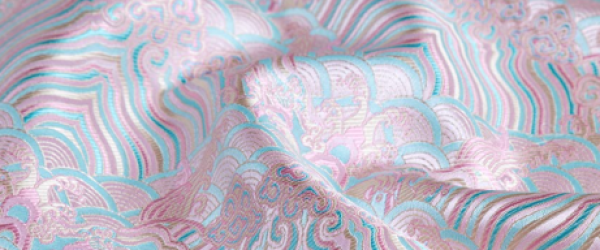
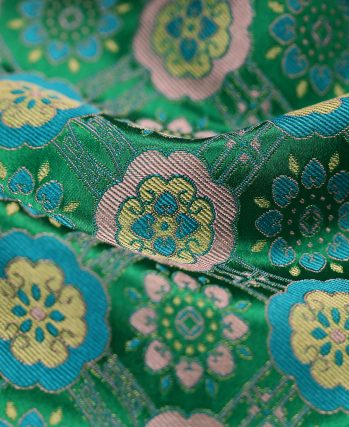
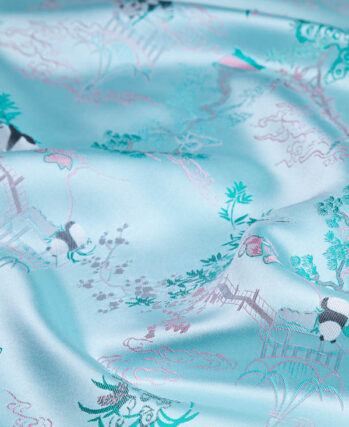
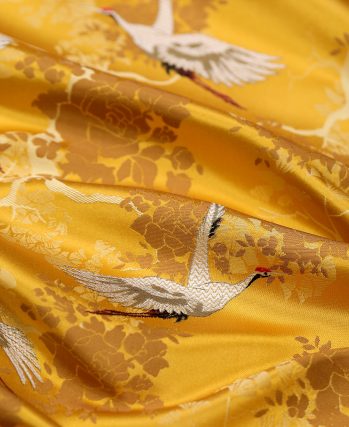
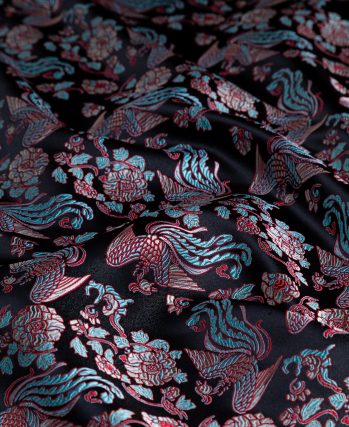
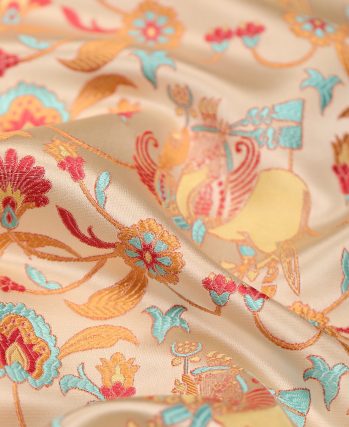
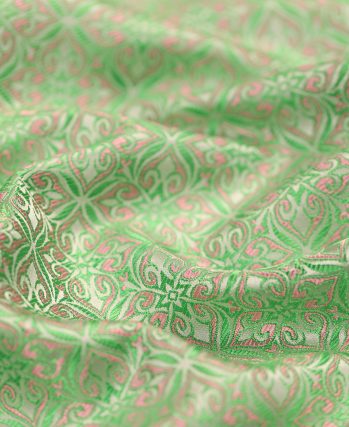
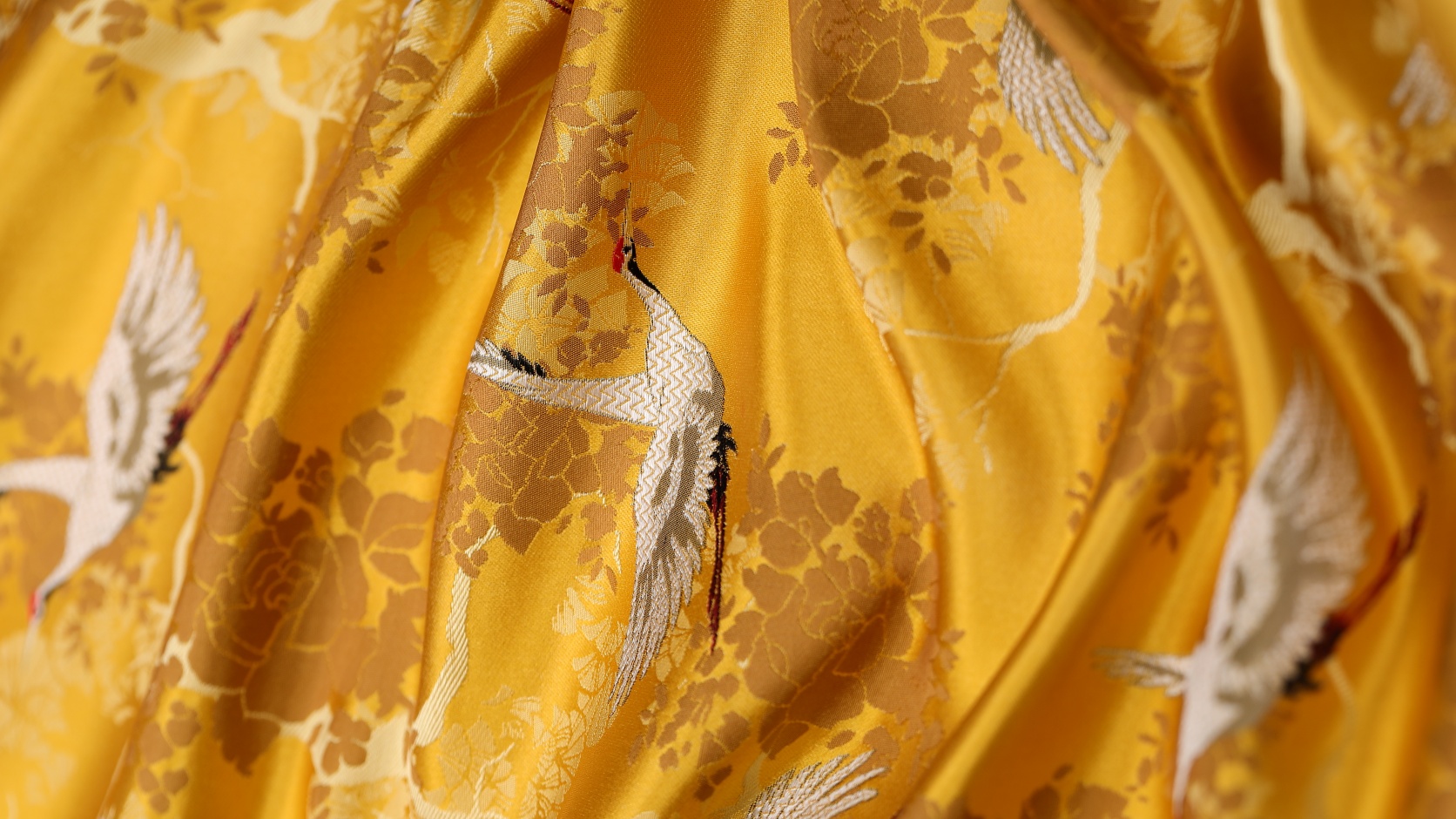
Silk’s triangular fiber cross-section acts like a prism, refracting light to create a soft, pearl-like glow. This is not a coating or a finish—it’s inherent to the fiber. No synthetic fabric can truly replicate it. This is why silk is the go-to choice for evening wear, bridal gowns, and high-end accessories.
2. Gentle on Skin
Silk’s smooth surface reduces friction, making it ideal for sensitive skin. Dermatologists often recommend silk pillowcases for people with acne, eczema, or allergies. It’s also naturally hypoallergenic and resistant to dust mites.
3. Temperature Regulation
Silk is a poor conductor of heat, which means it helps maintain a comfortable body temperature. In summer, it feels cool and breathable. In winter, it traps air to keep you warm. Very few fabrics can do both.
4. Lightweight Yet Strong
A silk thread is stronger than a steel wire of the same diameter. Because it’s a continuous filament, silk fabric can be extremely lightweight without sacrificing durability. That’s why silk scarves and lingerie feel almost weightless but last for years with proper care.
5. Low Static and Dust Repellent
Silk doesn’t build up static electricity the way polyester does. It also resists dust and lint, so it stays cleaner longer.
6. Biodegradable and Renewable
Silk is produced from renewable resources (mulberry leaves and silkworms) and is fully biodegradable. In an era of growing concern over microplastics and textile waste, silk offers a more sustainable alternative to synthetic fabrics.
7. Cultural and Emotional Value
Silk carries thousands of years of history. Wearing silk connects you to a tradition that spans continents and centuries. For many people, it’s not just a fabric—it’s a piece of art.
The Downsides of Silk (Yes, There Are Some)
Silk is not perfect. It’s important to go in with realistic expectations.
- Price: Silk is expensive because producing it is labor-intensive. From mulberry cultivation to silkworm rearing to reeling and weaving, every step requires careful handwork.
- Care: Silk requires gentle handling. Most pieces should be hand-washed in cold water with a mild detergent or dry-cleaned. It can’t handle bleach, hot water, or harsh chemicals.
- Wrinkling: Silk wrinkles easily. If you’re looking for a wrinkle-free fabric for travel, polyester is a better choice.
- Water Spots: Water can leave marks on silk, so you need to be careful in the rain or when wearing perfume.
- Sun Sensitivity: Prolonged exposure to direct sunlight can weaken silk fibers and cause fading.
- Snagging: Silk can snag on rough surfaces, jewelry, or even dry skin. It’s not a fabric for rough-and-tumble wear.
In short: silk is a high-maintenance fabric. But for many people, the benefits outweigh the extra effort.
Is Silk Worth It?
That depends on what you value.
If you want a fabric that is easy to care for, cheap, and wrinkle-resistant, cotton or polyester will serve you better.
If you want a fabric that feels luxurious, regulates temperature, is gentle on your skin, and carries a sense of timeless elegance, silk is unmatched.
For special occasions, everyday luxury, or simply treating yourself to something that feels extraordinary, silk is worth the investment.
The Bottom Line
Silk is not just a more expensive fabric. It is a fundamentally different one—produced by nature as a continuous filament, woven into cloth that shines, breathes, and endures.
Ordinary fabrics solve the problem of covering the body affordably. Silk solves the problem of covering the body beautifully.
And for many people, that difference is worth every penny.
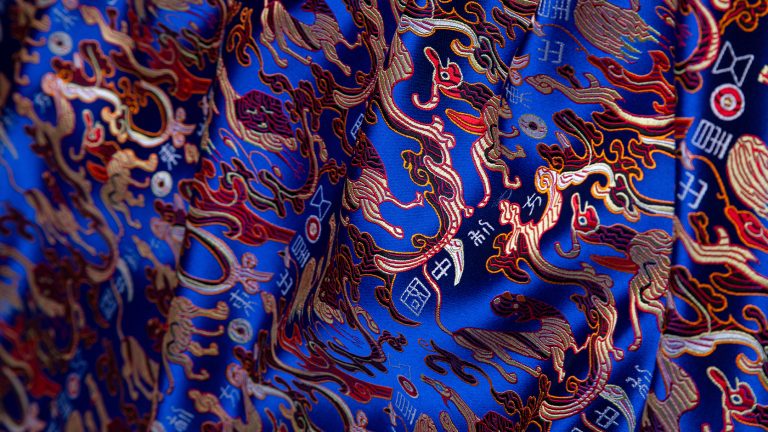
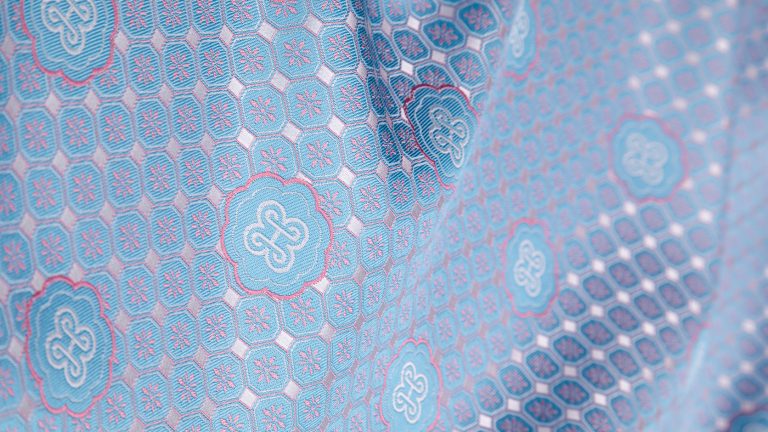
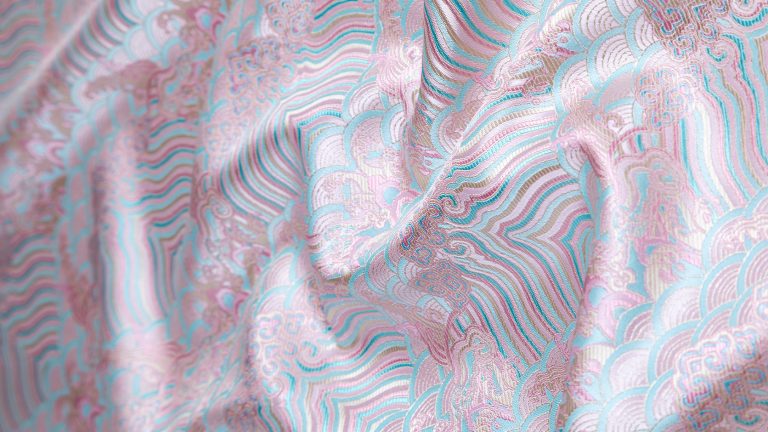
Explore our collection of authentic silk and Shu brocade pieces—crafted in Chengdu, China, and shipped worldwide. From scarves and accessories to fabric by the yard, experience the difference that real silk makes.