What Is Shu Brocade?
If you know silk, you know it’s luxurious. But there’s a tier above luxury silk—and it’s called Shu brocade (pronounced “shoo bro-kayd,” Chinese: 蜀锦, Shǔjǐn).
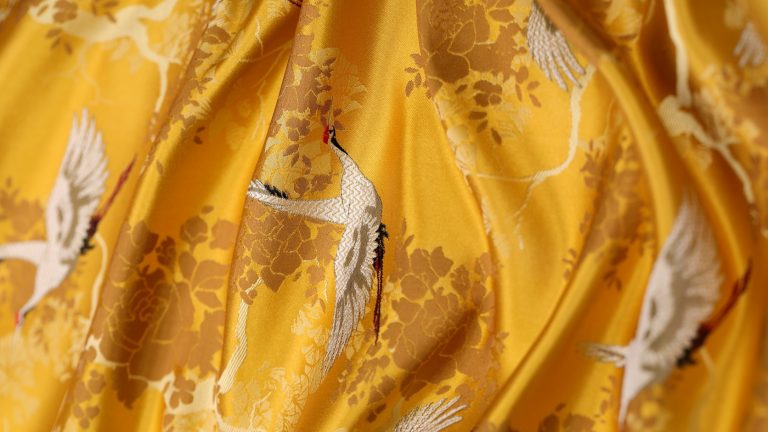
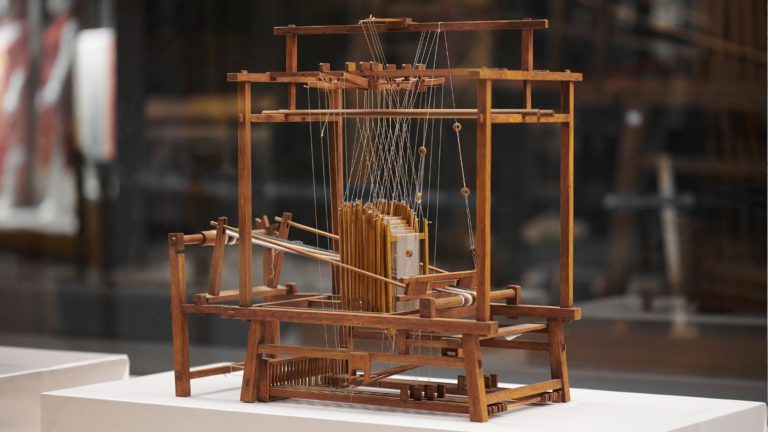
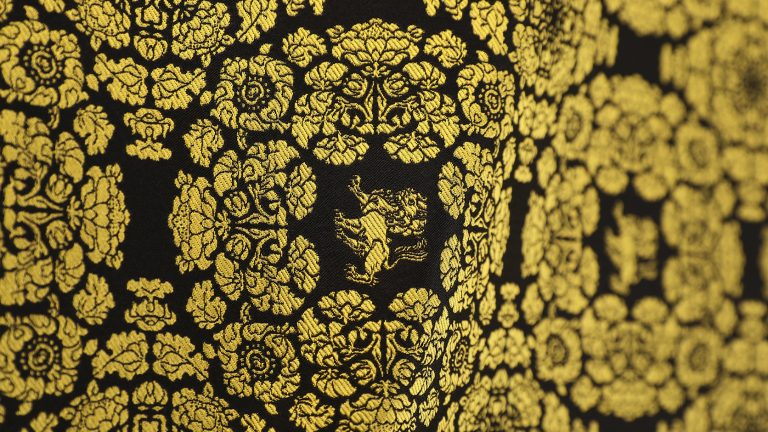
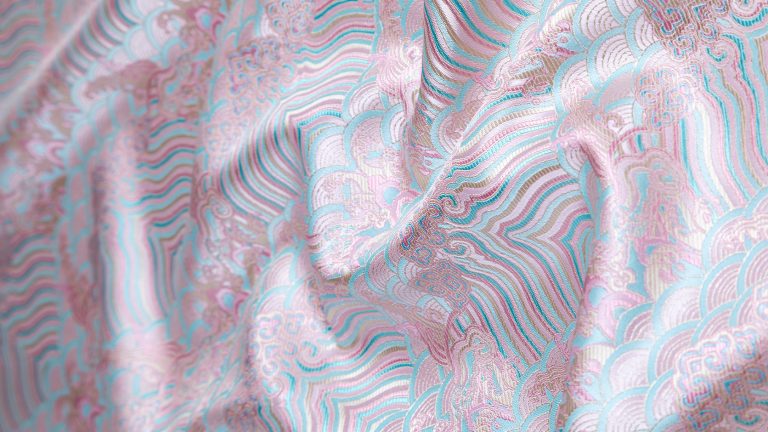
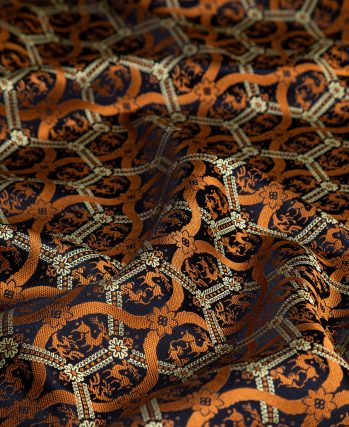
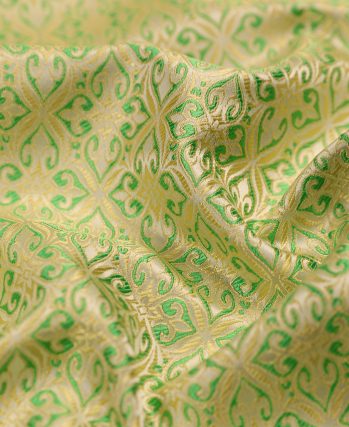
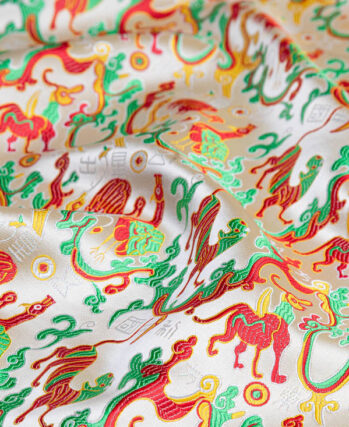
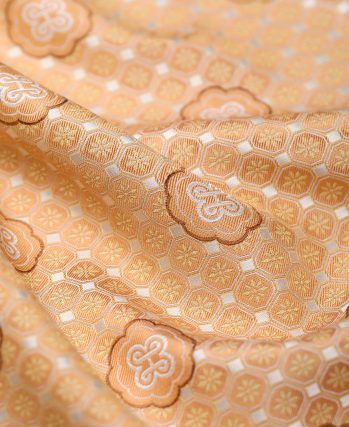
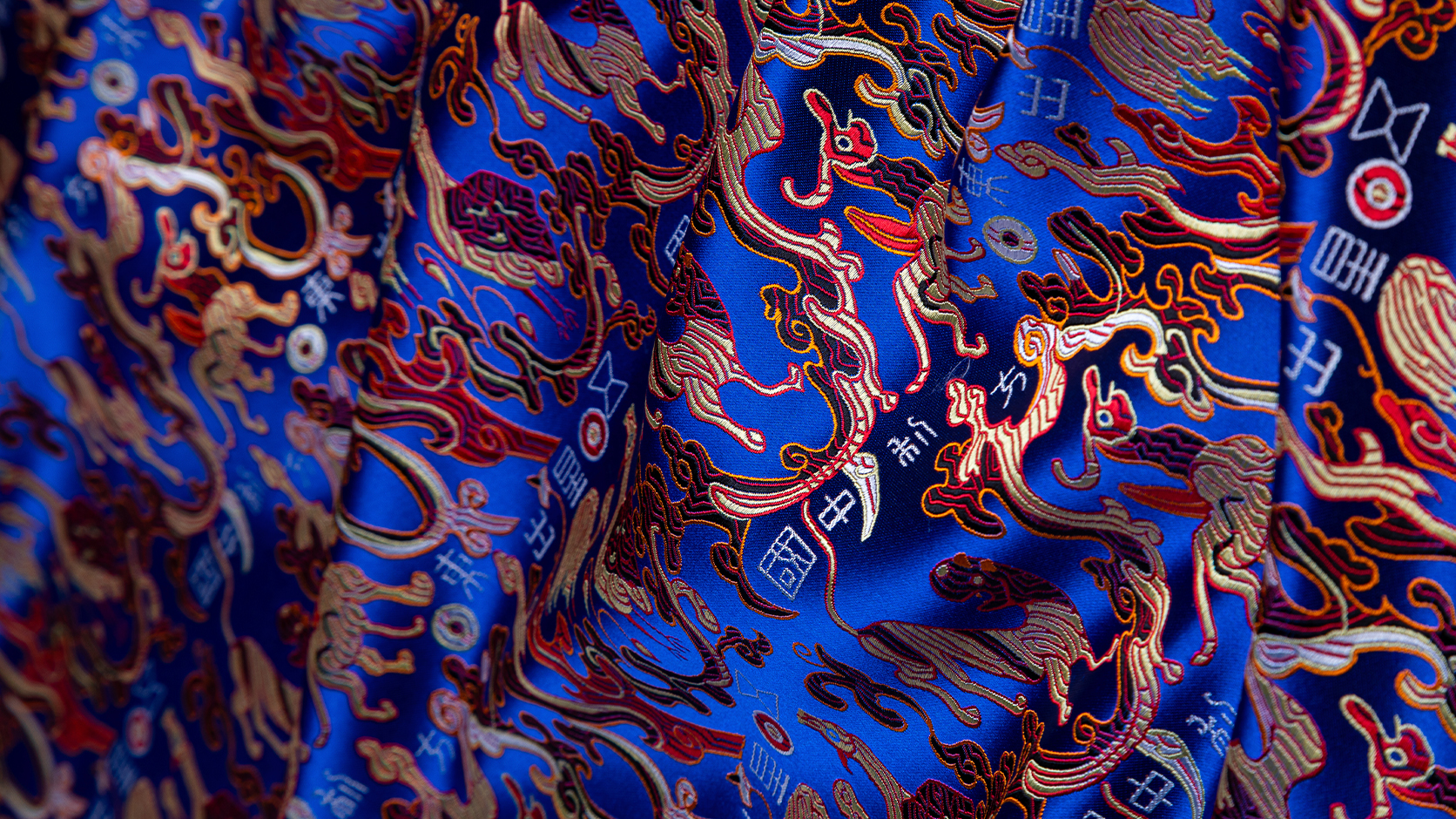
Shu brocade is a handwoven, multi-colored figured silk fabric that originated in Chengdu, the capital of Sichuan Province in southwestern China. It is widely regarded as the oldest and most influential of China’s four great brocade traditions, earning it the title “Mother of Chinese Brocades.”While ordinary silk is smooth and beautiful, brocade takes things several steps further: the patterns are not printed or embroidered onto the surface—they are woven into the fabric itself, thread by thread, using complex jacquard techniques that produce a texture and depth you can feel with your fingertips.
In the Western fashion world, brocade is often associated with Venetian textiles or French ecclesiastical vestments. Shu brocade predates them all. It is to silk what haute couture is to ready-to-wear.
A History That Predates the Silk Road
Sichuan’s relationship with silk goes back over 4,000 years. Ancient legends credit Can Cong, the first king of the ancient Shu kingdom, with teaching his people to raise silkworms.By the Spring and Autumn Period (770–476 BC), the fabric produced in Chengdu was already so distinctive that it was given its own name: Shu brocade.
The real turning point came during the Warring States Period (403–221 BC), when Shu brocade became a major export. It traveled south through what historians call the Southern Silk Road—a trade route that started in Chengdu, passed through Yunnan into Myanmar and India, and eventually reached Central Asia and Europe. This route was active roughly 200 years before the more famous northern Silk Road.
By the Han Dynasty (206 BC–AD 220), the brocade industry was so vital that the emperor appointed a dedicated official—the Brocade Officer—to oversee its production and quality. This official was essentially a Minister of Textiles, and unlike other high-ranking officials, he was stationed not in the imperial capital but in Chengdu.
That’s how Chengdu got its ancient nickname: Jinguan Cheng, or “City of the Brocade Official.”The river that runs through the city was called the Jin Jiang, or “Brocade River,” because weavers would wash finished brocade in its waters to enhance the colors.
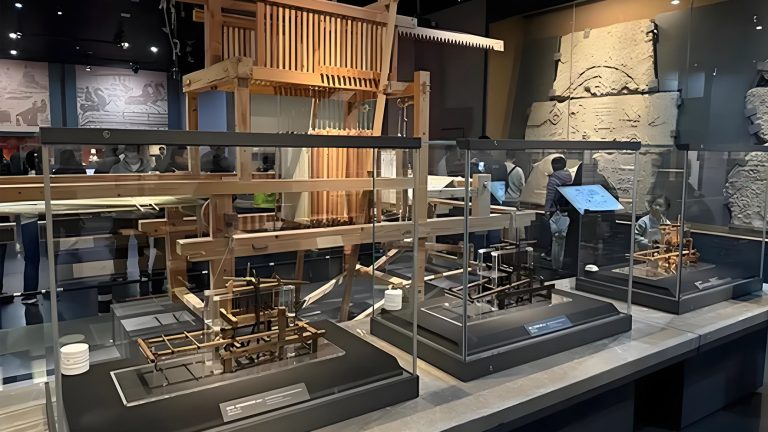
During the Tang and Song dynasties, Shu brocade entered its golden age. Chengdu operated over 10,000 looms with more than 100,000 people employed in brocade weaving.The fabric was used for imperial robes, diplomatic gifts, and trade along the Silk Road. Historical records note that one Tang emperor, facing a mutiny among his troops, used 100,000 bolts of Shu brocade to restore morale.
Why Shu Brocade Is Different from Anything Else
1. Warp-Faced Weaving: A Technique That Defines a Category
Most brocades in the world—including later Chinese traditions like Song brocade and Yun brocade—are weft-faced: the pattern is created by the horizontal threads. Shu brocade is fundamentally different. It is a warp-faced fabric, meaning the pattern is built primarily from the vertical threads (the warp) using a technique called multi-warp figuring.
This is not a minor technical footnote. It is the reason Shu brocade has a uniquely tight, dense, and almost carved appearance. The patterns don’t sit on the surface—they emerge from the structure of the cloth itself.
2. Patterns That Carry Meaning
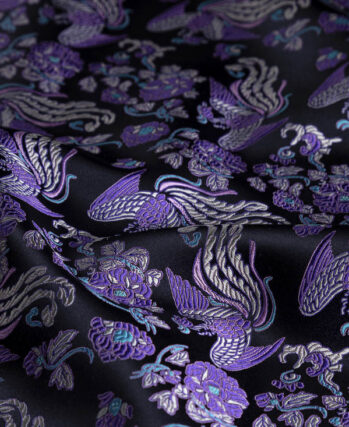
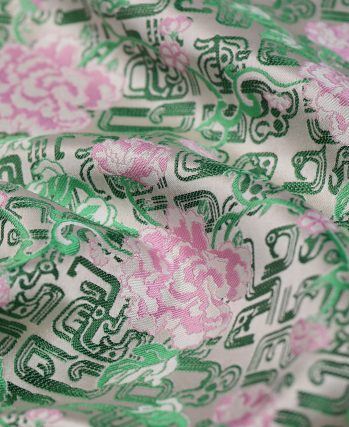
Traditional Shu brocade motifs are not random decoration. They are a visual language. Common patterns include paired birds, confronting beasts, flying phoenixes, lotus flowers, tortoise-shell lattices, and geometric medallions.Each motif carries symbolic weight: phoenixes represent renewal and good fortune; paired birds signify harmony; lotus flowers evoke purity. In the Fu Lu Shou Xi (Fortune, Prosperity, Longevity, Joy) pattern system, every element is deliberately composed to convey a complete blessing.
3. Time Cost: A Centimeter Is Not a Centimeter
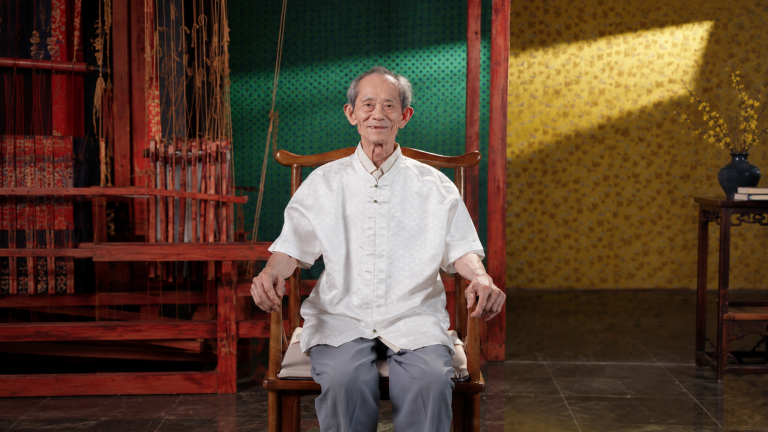
Handwoven Shu brocade is extraordinarily slow to produce. According to master weavers, one centimeter of Shu brocade requires 120 picks of the shuttle—that is, 120 individual passes of the weft thread across the warp.Even the most skilled artisan can produce less than 10 centimeters (about 4 inches) per day. A single meter of high-quality handwoven brocade can take months to complete.
This is why, historically, the price of brocade was compared to gold. The labor intensity is not a marketing claim—it is a physical reality.
4. A Living Heritage, Not a Museum Piece
In 2006, Shu brocade weaving techniques were among the first crafts designated as National Intangible Cultural Heritage by China’s State Council.But this is not a craft frozen in amber. Contemporary designers are working with Shu brocade in ways that bridge ancient technique and modern aesthetics. At recent fashion weeks in Paris, Milan, London, and New York, Chinese silk fabrics incorporating brocade techniques have appeared on the runway.A North American design team even created a SHU ART silk scarf collection that blended Western and Chinese design sensibilities; within one month of launch, online sales increased sixfold.
What This Means for You
If you are encountering Shu brocade for the first time, here is the simplest way to understand it:
Shu brocade is not “Chinese silk.” It is the original luxury textile—the fabric that traveled the Silk Road before the Silk Road had a name.
It is woven, not printed. It is dimensional, not flat. It takes months to make a single meter. And it carries 2,000 years of design language in every thread.
For collectors, designers, and anyone who appreciates objects made with intention, Shu brocade represents something increasingly rare in the modern textile world: a fabric that is genuinely irreplaceable.
Explore our collection of authentic Shu brocade pieces—from scarves and accessories to fabric by the yard—and bring a piece of living history into your life.
A note on sourcing: Authentic handwoven Shu brocade is produced in and around Chengdu, Sichuan Province. Look for products that specify handwoven (shou zhi) craftsmanship and come with provenance documentation from established workshops or the Chengdu Shu Brocade and Embroidery Museum. Machine-produced “Shu-style” brocade fabric exists at a fraction of the cost, but it does not carry the same technique, time investment, or cultural value as the handwoven original.