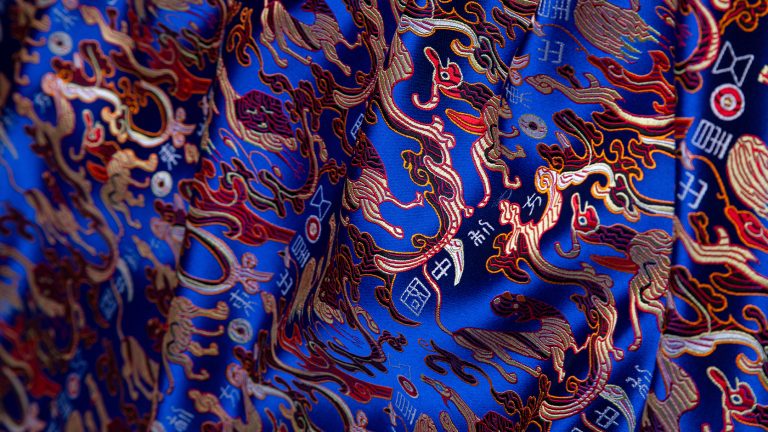
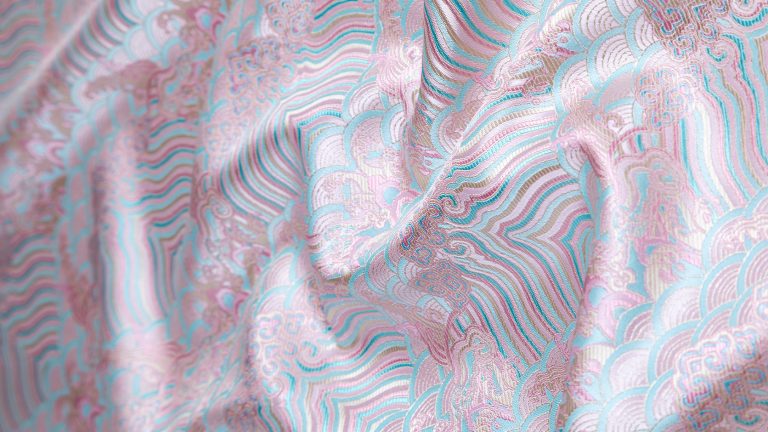
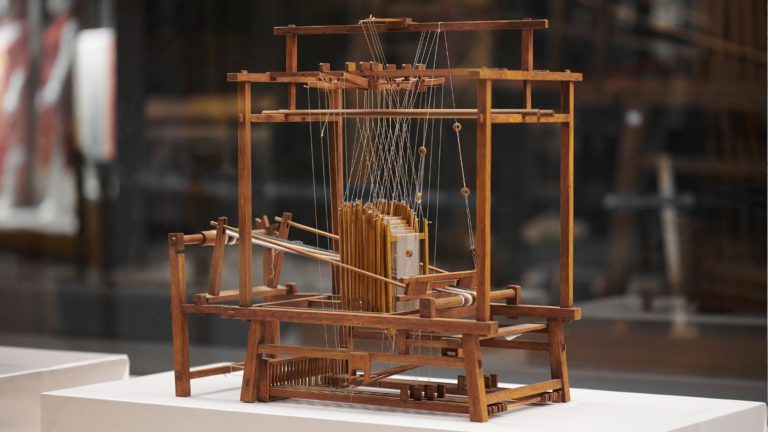
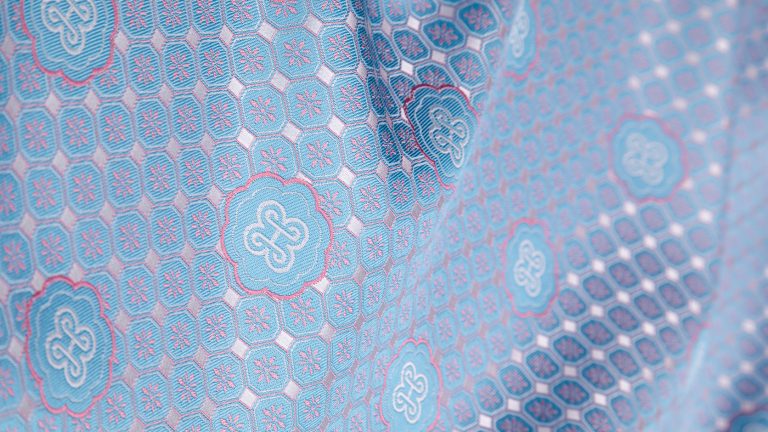
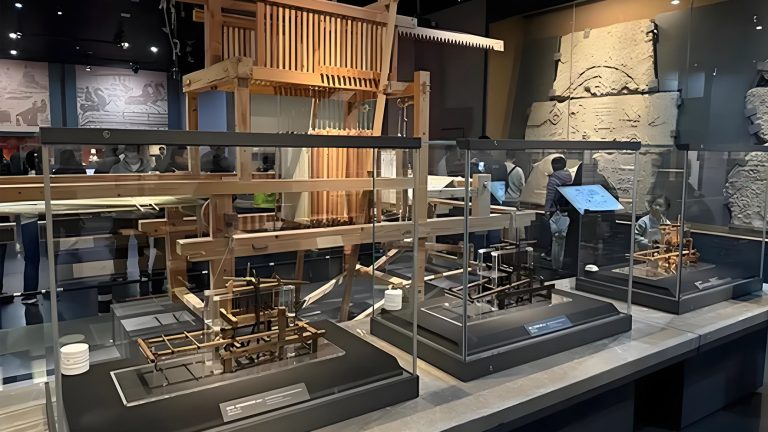
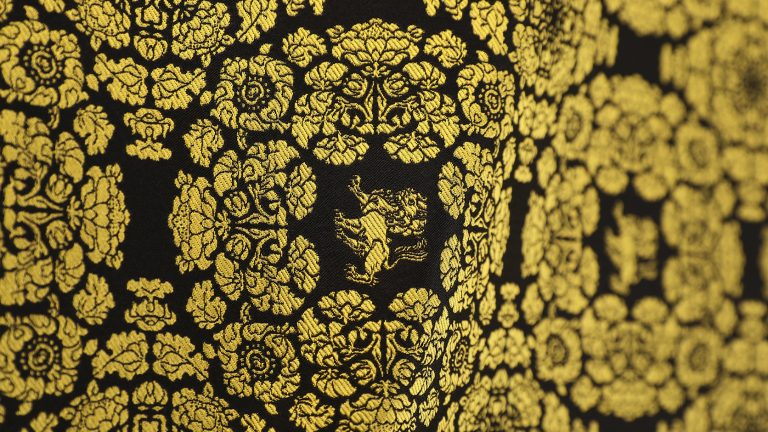
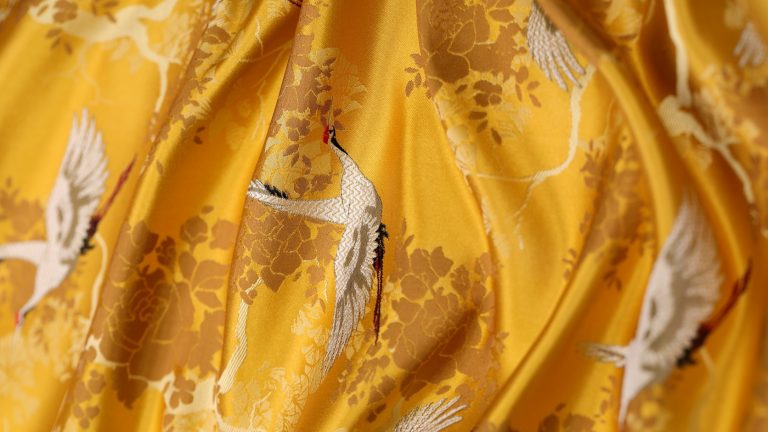
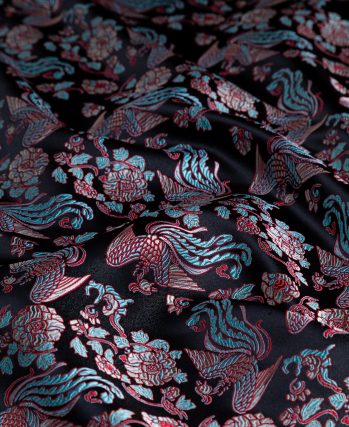
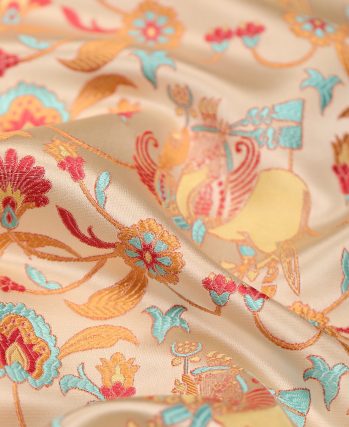
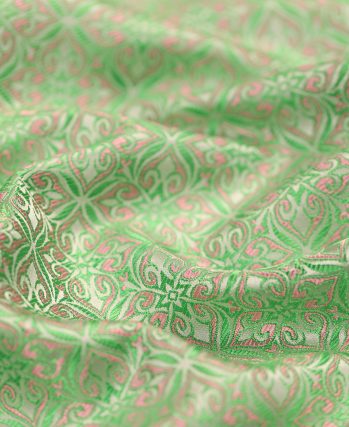
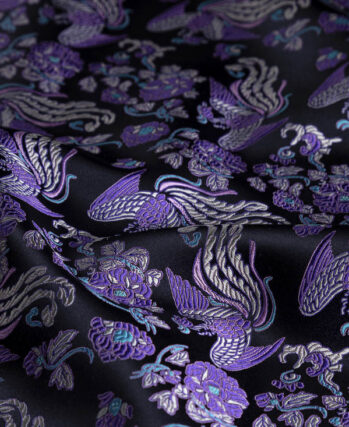
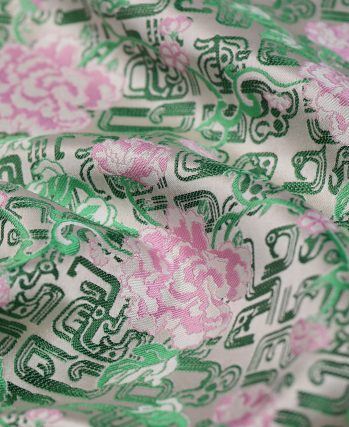
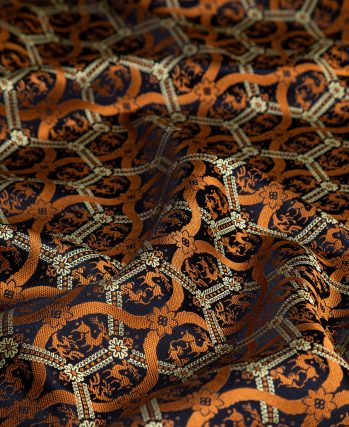
Shu Brocade, the foremost of China’s Four Famous Brocades and a national intangible cultural heritage item, embodies the millennium-old weaving craftsmanship of Bashu civilization. Its history stretches back more than 2,000 years: it originated in the Spring and Autumn and Warring States Periods, flourished during the Han and Tang dynasties, and thrived in the Song Dynasty. In ancient times, the legendary tribal leader Cancong taught people sericulture. Chengdu was named “Jinguan City” (Brocade Official City) because an official post was set up to manage brocade production, and the river where brocade was rinsed became known as the Jin River. The Chinese phrase “jinxiu” (splendid embroidery/brocade) derives from Shu Brocade and Shu Embroidery. As a key commodity traded along the Southern Silk Road (the Shu-Sindu Route), Shu Brocade was once exported to the Western Regions, Central Asia and Europe, valued as highly as gold. It stands as an iconic masterpiece of ancient Oriental craftsmanship. In 2006, the craftsmanship of Shu Brocade weaving was inscribed on China’s first national intangible cultural heritage list, and later added to the UNESCO Intangible Cultural Heritage List. Famous for its warp-faced pattern weaving, double-sided patterns in different colours and mulberry silk materials, Shu Brocade is unparalleled. Understanding its history before mastering purchasing skills helps you pick authentic Shu Brocade with profound cultural roots. 1. Check Raw Materials: Prioritize 100% Mulberry Silk, Avoid Chemical Fibre Imitations Premium mulberry silk is the core material of genuine Shu Brocade, the first benchmark for quality judgment. – **Identify by lustre**: Real silk Shu Brocade has gentle, flowing lustre that shifts with light, without harsh plastic shine. Imitations made of chemical fibre have rigid, glaring reflections and feel light and insubstantial.– **Check labels**: Read care tags and material certificates. Authentic products should be marked **100% mulberry silk**. Be wary of vague descriptions such as “imitation silk”, “blended fabric” or “silk-like fabric”.– **Burning test**: Pull out a few threads and burn them. Real silk smells like burning hair, and the ash crumbles easily when pinched. Chemical fibre burns with a plastic odour and forms hard clumps of residue. 2. Distinguish Craftsmanship: Warp-faced Pattern Weaving & Double-sided Patterns; Tell Handwoven from Machine-woven The soul of Shu Brocade lies in its weaving technique. **Warp-faced pattern weaving** is its unique technical feature, which differentiates it from Yun Brocade and Song Brocade. 1. **Features of weaving**Shu Brocade adopts warp-faced pattern weaving. Colourful warp threads create raised patterns with a distinct uneven texture to the touch. Both sides of the fabric show complete patterns in different colours, with neat edges free of loose threads.2. **Handwoven vs Machine-woven** – Handwoven Shu Brocade: Woven on traditional wooden flower looms. Its texture bears subtle natural variations, with lively weave details. The output is extremely low — only about 10 centimetres can be woven per day — giving it high collectible value.– Intangible heritage machine-woven Shu Brocade: Certified jacquard looms reproduce traditional patterns. The designs are neat and well-proportioned, offering good cost performance for daily use.– Low-quality counterfeits: Made with digital printing, flat weave without raised texture. Patterns are stiff and blurry, lacking weaving depth. 3. **National standard reference**: Qualified products comply with GB/T 35444-2017 *Shu Brocade*, which specifies the Chengdu core production area, mulberry silk raw materials and warp-and-weft pattern structure. 3. Appreciate Patterns: Traditional Meanings & Fine Workmanship for Beauty and Value As an old saying goes, every brocade pattern carries a meaning. Shu Brocade patterns combine artistic beauty and cultural connotations, an important factor in selection. – **Classic patterns**: Square brocade, rain-thread brocade, moon-hue brocade, round flower brocade, dragon and phoenix motifs, ruyi patterns, interlocking lotus and more. Fine lines, full floral shapes and clear details without blurring.– **Colour quality**: Traditional vegetable and mineral dyes create colours that are rich yet tasteful, with good colour fastness and resistance to fading. Cheap imitations have garish colours prone to smudging.– **Pattern neatness**: Symmetrical and well-aligned, free of skipped threads, missing weaves or flawed patterns. High-quality pieces have even fabric density and delicate texture. 4. Verify Certifications: Geographical Indication & Intangible Heritage Qualifications to Avoid Counterfeits Shu Brocade is a product protected under China’s national geographical indication system. Valid certifications guarantee genuine goods. – **Core mark**: Look for the special national geographical indication label for Shu Brocade. Authorised manufacturers are mostly official Shu Brocade research institutes and intangible heritage workshops in Chengdu.– **Supporting documents**: Reputable merchants provide intangible heritage certification, material test reports and origin certificates. Avoid unlabelled, uncertified products from non-authorised regions.– **Purchase channels**: Prefer physical intangible heritage stores in Chengdu, official flagship stores and formal cultural and tourism shops. Steer clear of cheap street stalls and unbranded online stores. 5. Select by Purpose: Match Choices for Collection, Wear or Gifting Choose according to usage scenarios to balance practicality and value. 1. **Collection grade**Opt for handwoven pieces on traditional flower looms, works by inheritors of intangible heritage, classic vintage patterns, complete with numbered collection certificates. The heavy fabric and sophisticated craftsmanship make them valuable for preservation.2. **Wearable grade**Choose certified machine-woven 100% mulberry silk Shu Brocade. It maintains shape and resists wrinkling, ideal for cheongsams, new Chinese-style tops and shawls, with good draping for daily wear.3. **Gift grade**Gift sets including Shu Brocade scarves, framed artworks and handbags are excellent choices. Auspicious patterns and elegant packaging combine cultural charm and practicality for business or festive gifting.4. **Decoration grade**Pick intact brocade panels with elegant colour schemes for framing and soft furnishing. Match colours to your home decor style. 6. Pitfalls to Avoid: 5 Types of Shu Brocade You Should Not Buy 1. Unbranded products without geographical indication labels, material tags or origin information.2. Counterfeits made of chemical fibre blends falsely marketed as pure silk, light and flimsy to the touch.3. Flat digital prints without raised jacquard texture, passed off as woven brocade.4. Defective goods with blurry patterns, skipped threads or uneven dyeing.5. Products produced outside Chengdu’s core producing areas, falsely labelled as Shu Brocade. 7. Care Tips to Extend the Lifespan of Shu Brocade – Cleaning: Hand wash gently in cold water with special silk detergent. Do not scrub hard, machine wash or expose to direct sunlight.– Storage: Hang in a dark, dry place, keep away from moisture and insects, and avoid sharp objects that may snag threads.– Ironing: Iron at low temperature with a cloth between the iron and fabric to preserve texture and shape. Conclusion Selecting Shu Brocade is essentially a choice of authentic materials, genuine craftsmanship and profound culture. From mulberry silk raw materials to warp-faced weaving, from geographical certification to classic patterns, every detail embodies the ingenuity of thousands of years of weaving. Whether for personal use, collection or gifting, following this guide helps you avoid traps and buy genuine Shu Brocade with texture and cultural heritage, bringing the timeless charm of ancient brocade into modern life.