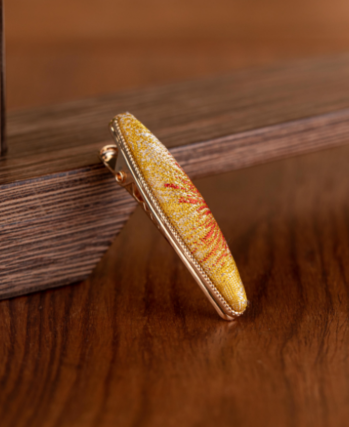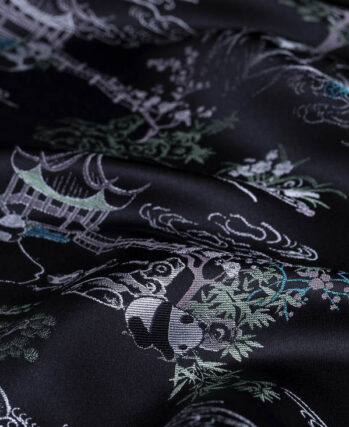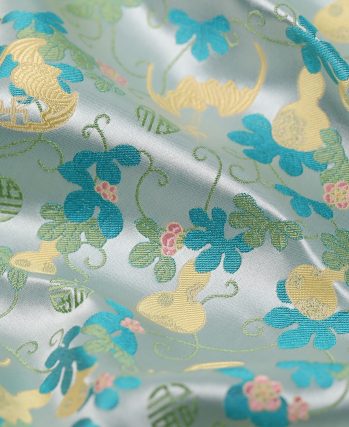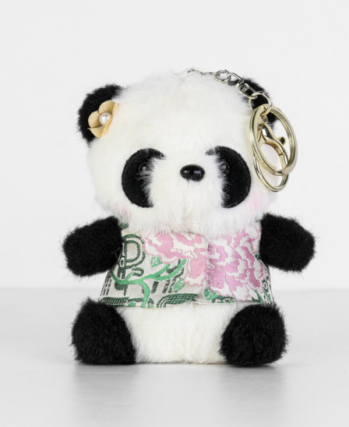
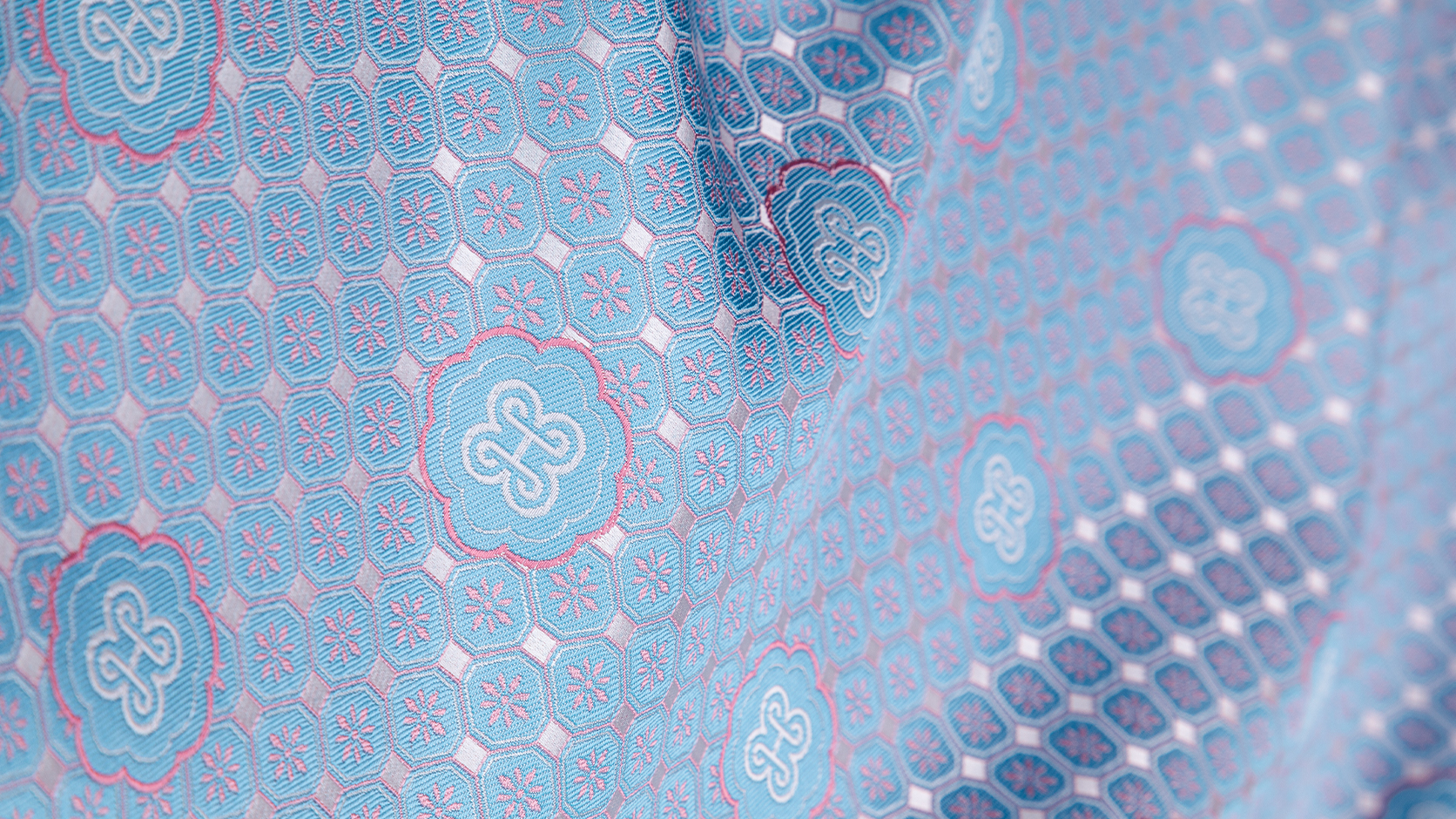
Five of China’s greatest textiles—and why only one of them is the ancestor of all the rest.
The Five Fabrics, Briefly
If you’re new to Chinese textiles, the names can blur together. But these five fabrics are not variations on a theme. They are different technologies, different aesthetics, and different cultural roles.
Shu Brocade (蜀锦) — Chengdu, Sichuan
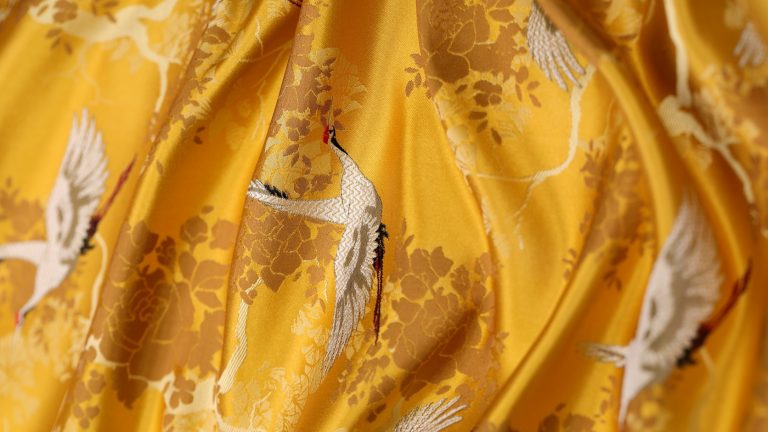
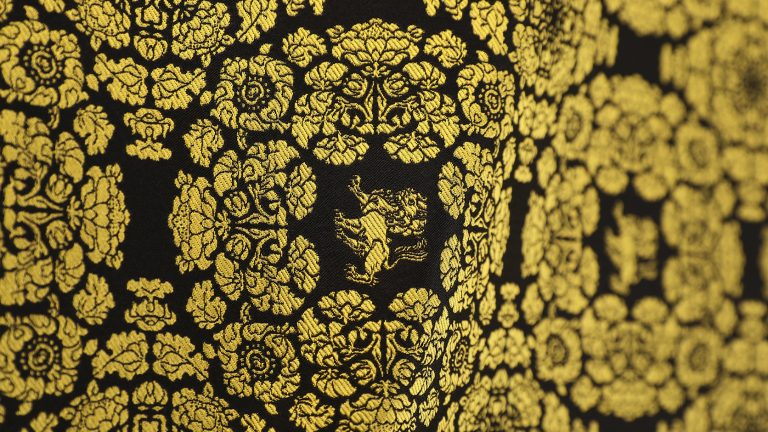
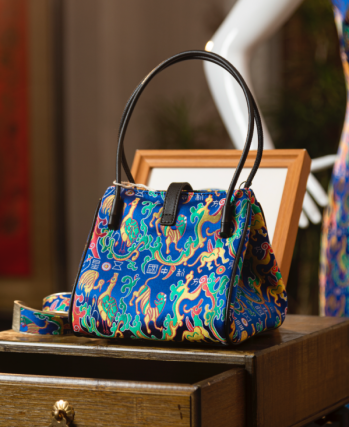
Originating in the Warring States period over 2,000 years ago, Shu brocade is the oldest of China’s great brocade traditions. It is known for its warp-faced figured structure, its color-stripe warp arrangement, and its bold, auspicious patterns—dragons, phoenixes, paired birds, and immortal deer. In 2006, Shu brocade weaving techniques were among the first crafts designated as National Intangible Cultural Heritage by China’s State Council. In 2009, it was included in UNESCO’s Representative List of the Intangible Cultural Heritage of Humanity as part of China’s traditional sericulture and silk craftsmanship.
Song Brocade (宋锦) — Suzhou, Jiangsu
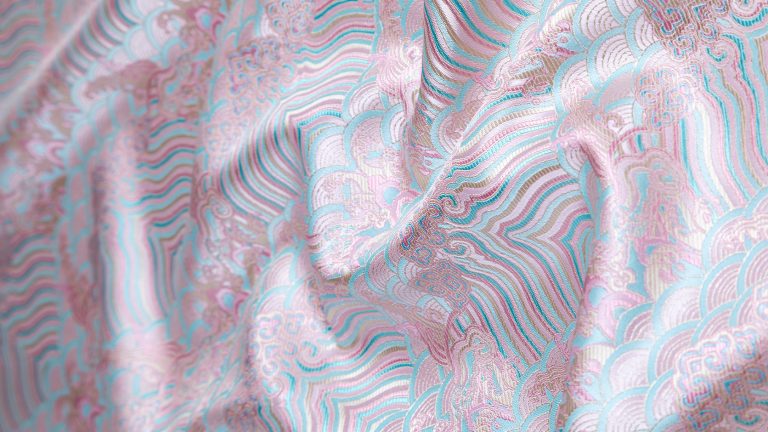
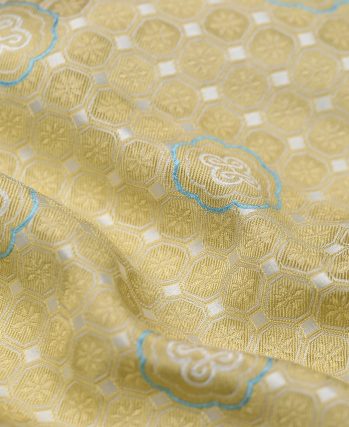
Song brocade developed during the Tang Dynasty on the foundation of Shu brocade techniques. It is known for its two-layer warp structure (a face warp and a ground warp) and its three-harness twill weave. The patterns are typically geometric frameworks filled with flowers, auspicious plants, and symbolic motifs. Its color palette is more muted and harmonious than Shu brocade—often described as “ornate but not flashy, noble but not ostentatious.” It was traditionally used for book mounting, calligraphy scrolls, and framed art, as well as daily garments and accessories. It was designated National Intangible Cultural Heritage in 2006.
Yun Brocade (云锦) — Nanjing, Jiangsu
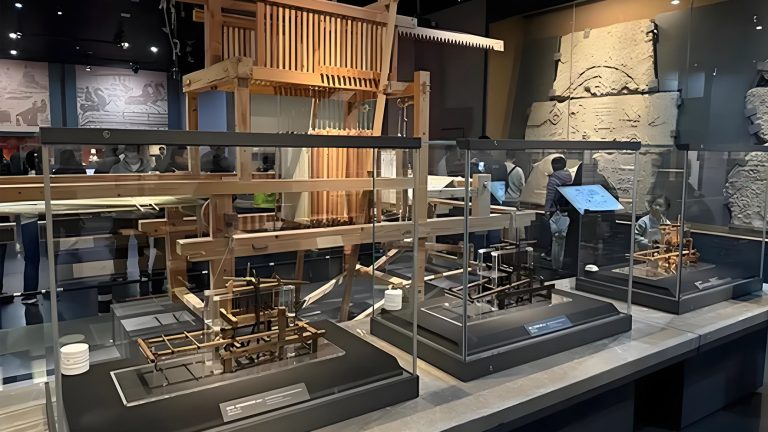
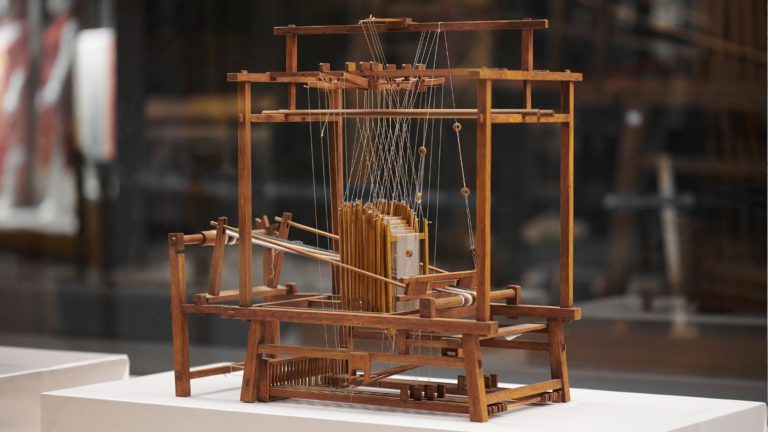
Yun brocade emerged after Shu and Song brocades, synthesizing the best of earlier traditions. Its name means “cloud brocade,” referring to its dazzling, cloud-like colors. It is woven on a large flower-tower loom requiring two operators, and it uses gold, silver, and peacock feather threads. Its defining technique is “through-warp, broken-weft” (通经断纬), which allows unlimited color changes. Yun brocade was made almost exclusively for imperial use—ceremonial robes, throne drapes, and court regalia. It is the heaviest, most ornate, and most expensive of the four brocades. It was designated National Intangible Cultural Heritage in 2006 and UNESCO Intangible Cultural Heritage in 2009.
Zhuang Brocade (壮锦) — Guangxi
Zhuang brocade is the outstanding representative of China’s ethnic minority brocade traditions. It uses cotton warp and silk weft—a mixed-material structure that gives it exceptional durability. Its patterns are geometric and vibrant, reflecting the bold, open aesthetic of Zhuang culture. It was traditionally used for bedcovers, wall hangings, and ceremonial textiles. It was designated National Intangible Cultural Heritage in 2006.
Xiangyun Sha (香云纱) — Guangdong
Xiangyun Sha, also known as Gambiered Canton Silk, is not a brocade at all. It is a dyed and finished silk fabric. It begins as a plain silk or gauze base cloth, which is then treated with gambier extract (from the dioscorea cirrhosa plant), river mud, and repeated sun-drying in a process called “three steamings, nine boilings, and eighteen sun-dryings.” The result is a fabric that is water-resistant, quick-drying, wrinkle-resistant, and uniquely lustrous—often described as “black pearl with a flashing glow.” It has been produced for over 600 years and was designated National Intangible Cultural Heritage in 2008.
The Key Differences at a Glance
| Dimension | Shu Brocade | Song Brocade | Yun Brocade | Zhuang Brocade | Xiangyun Sha |
|---|---|---|---|---|---|
| Origin | Warring States (2000+ years) | Tang Dynasty, based on Shu | After Shu and Song | Han Dynasty origins; Tang-Song formation | Ming Dynasty (600+ years) |
| Region | Chengdu, Sichuan | Suzhou, Jiangsu | Nanjing, Jiangsu | Guangxi | Pearl River Delta, Guangdong |
| Core Structure | Warp-faced; both warp and weft figuring | Two-layer warp; three-harness twill | Through-warp, broken-weft; gold and feather threads | Cotton warp, silk weft | Plain or gauze base + plant dyeing |
| Core Technique | Color-stripe warp arrangement; color-gradient blending | Geometric framework with floral filling | Large flower-tower loom; gold, color, and peacock feather application | Bamboo笼 loom figuring | Gambier dyeing, river mud treatment, sun-drying |
| Fabric Type | Brocade (pattern woven into structure) | Brocade (pattern woven into structure) | Brocade (pattern woven into structure) | Brocade (pattern woven into structure) | Dyed & finished fabric (woven first, then treated) |
| Typical Colors | Five cardinal colors; strong contrasts | Harmonious, muted tones | Rich, contrasting, gold-outlined | Vibrant, multi-colored | Black-brown, subtle iridescence |
| Typical Uses | Garments, gifts, mounting | Book mounting, daily wear | Imperial regalia, ceremonial robes | Bedcovers, wall hangings, cultural products | Summer clothing, handbags |
| Heritage Status | National + UNESCO | National | National + UNESCO | National | National |
The critical distinction: Shu, Song, Yun, and Zhuang brocades are all woven brocades—the pattern is created during the weaving process, within the structure of the cloth. Xiangyun Sha is a dyed and finished fabric—it is woven first as a plain base cloth, then transformed through plant dyeing and sun treatment. Xiangyun Sha does not belong to the same category as the four brocades.
Shu Brocade vs. the Others: The Core Differences
Shu Brocade vs. Song Brocade: Source and Stream
Song brocade was developed during the Tang Dynasty on the foundation of Shu brocade techniques. This means the relationship is not one of parallel competition—it is one of source and stream. Song brocade inherited many of Shu brocade’s pattern names, such as Badayun and Tianxiale, because they were passed down directly from the earlier tradition.
But Song brocade evolved its own distinct identity. It developed a two-layer warp structure and a three-harness twill weave, making it flatter, more refined, and slightly stiffer—ideal for book mounting and framed art. Shu brocade, by contrast, retained its classical warp-faced structure, giving it a denser, more carved surface and a more substantial hand.
In terms of function, Song brocade leans toward practicality: it is durable, easy to handle, and well-suited for everyday bags and garments. Shu brocade leans toward ceremony and collection: its colors are bolder, its texture is heavier, and its patterns are more complex. It is used for gifts, formal wear, and high-end收藏.
Shu Brocade vs. Yun Brocade: Ancestor and Master Synthesis
Yun brocade emerged after Shu and Song brocades, synthesizing the best of earlier traditions. It is the descendant, but it took a completely different path—extreme luxury. Yun brocade uses gold, silver, and peacock feather threads, and it was made exclusively for emperors. Its grandeur is unmatched among Chinese brocades.
But that grandeur comes at a cost. The cheapest Yun brocade sells for around 8,800 RMB per meter (approximately $1,200 USD). A large flower-tower loom requires two skilled operators and produces only 5 centimeters per day. Yun brocade exists almost entirely in museums and high-end custom commissions.
Shu brocade is also expensive, but it is far more accessible. It offers a wider range of products—from mid-priced garments and accessories to high-end collector pieces. Yun brocade is a museum treasure. Shu brocade is a living textile that can still be worn, used, and collected.
Shu Brocade vs. Zhuang Brocade: Han and Ethnic Minority Traditions
Zhuang brocade is the outstanding representative of China’s ethnic minority brocade traditions. Its uniqueness lies in its mixed-material structure—cotton warp and silk weft. The cotton provides a durable framework; the silk provides color and luster. This combination makes Zhuang brocade exceptionally sturdy, but it also limits its refinement.
Shu brocade is a pure silk fabric, woven with fine, degummed silk threads. Its texture is more delicate, its colors more pure, and its patterns more intricate. Zhuang brocade’s patterns are geometric and ethnic in style, full of bold, open energy. Shu brocade’s patterns are drawn from classical Chinese symbolism—dragons, phoenixes, paired birds, immortal deer, and auspicious plants. The aesthetic systems are entirely different.
Shu Brocade vs. Xiangyun Sha: Woven Brocade vs. Dyed Fabric
This is the most fundamental distinction of all. Shu brocade is a woven brocade—the pattern is formed during weaving, and the colors are the colors of the silk threads themselves. Xiangyun Sha is a dyed and finished fabric—it is woven first as a plain base cloth, then treated with gambier extract, river mud, and sun-drying.
Xiangyun Sha’s core strengths are functional and tactile: it is water-resistant, quick-drying, wrinkle-resistant, and develops a unique luster over time. But it has almost no woven patterns, and its color palette is dominated by black and brown. Its visual expressiveness is far more limited than that of a brocade.
To use an analogy: Shu brocade is a woven painting. Xiangyun Sha is a specially treated canvas. The canvas itself is beautiful, but it is not a painting.
Where Shu Brocade Excels: Six Distinct Advantages
1. Historical Origin: The “Mother of Chinese Brocades”
Shu brocade is the oldest of China’s four great brocades, and it is the technical ancestor of the others. Song brocade was developed on the foundation of Shu brocade techniques. Yun brocade synthesized the best of earlier traditions. Even Japanese Nishijin brocade, one of Japan’s national treasures, is historically derived from Tang Dynasty Shu brocade.
This is not a matter of prestige alone. It means Shu brocade carries the original genetic code of Chinese brocade weaving—the warp-faced structure, the color-stripe warp arrangement, the color-gradient blending—techniques that were later modified or replaced in other traditions. Only Shu brocade preserves the complete technical lineage from the Han Dynasty to the present.
2. The Only Tradition Spanning Both Warp-Faced and Weft-Faced Systems
This is Shu brocade’s most unique technical advantage. Shu brocade includes not only the classical warp-faced brocade (multi-colored warp figuring) but also developed weft-faced brocade (multi-colored weft figuring) and compound structures combining warp and weft figuring.
Other brocades have their specialties: Song brocade is defined by its two-layer warp structure; Yun brocade is defined by its through-warp, broken-weft technique; Zhuang brocade is defined by its cotton warp and silk weft. Only Shu brocade mastered both the warp-faced and weft-faced systems and continued to fuse and innovate across two thousand years. This technical inclusiveness gives Shu brocade a natural advantage in product diversity.
3. A Unique Color System: “Color-Gradient Warp Arrangement”
Shu brocade has two distinctive color systems. The first is its traditional color logic, based on the five cardinal colors (red, yellow, blue, white, and black) as primary colors, with red, green, blue, and purple as intermediate colors. The second is its “color-gradient warp arrangement” (晕裥炫色), which uses color-stripe warping to create a gradual color transition across the width of the fabric—like a cloud or a spectrum.
This technique is exclusive to Shu brocade. The famous Moonlight Brocade (月华锦) is the representative example: its colors transition from one edge to the other like a spectrum spreading across the cloth. Song brocade uses mostly harmonious, muted tones. Yun brocade uses rich contrasts with gold outlining. Xiangyun Sha is dominated by black and brown. No other fabric achieves the sense of color in motion that Shu brocade does.
4. A Rich Vocabulary of Cultural Symbols
Shu brocade’s pattern system integrates the core symbols of Chinese civilization—dragons, tigers, qilin, immortal deer, zhuyu (dogwood), auspicious plants, paired birds, and confronting beasts—while also absorbing a wide range of folk auspicious motifs. This richness and inclusivity make Shu brocade not just a fabric but a living carrier of two thousand years of Chinese visual language.
By contrast, Song brocade’s patterns are more literati-oriented. Yun brocade’s patterns are more imperial. Zhuang brocade’s patterns are more ethnic. Xiangyun Sha barely involves woven patterns at all. Shu brocade covers the full spectrum from court to folk, from the Central Plains to the frontier.
5. Industry Potential and Market Opportunity
Among the four great brocades, Shu brocade currently has the lowest annual output value—around 50 million RMB (approximately $7 million USD), compared to Yun brocade’s 140 million RMB and Song brocade’s 300 million RMB. But this also means it has the largest room for growth.
In the past two years, the Shu brocade industry has shown strong momentum. The number of Shu brocade enterprises in Chengdu has grown from 8 to 10. The number of provincial-level or higher intangible cultural heritage inheritors has grown from 4 to 6. Output value has jumped from around 9 million RMB to approximately 50 million RMB.
Recent cross-industry collaborations have brought Shu brocade into the mainstream. The medal ribbons for the Chengdu Universiade incorporated Shu brocade craftsmanship. A panda-themed Shu brocade skirt co-created with Li Ziqi, the famous Chinese lifestyle influencer, went viral. A collaboration with Luckin Coffee—China’s largest coffee chain—launched a “Shu Brocade Intangible Heritage Cup” that sold 1.85 million cups on its first day.
These cases show that Shu brocade is breaking out of the “museum exhibit” category and entering the realm of mass consumer goods and cross-industry collaboration.
6. A Natural Aesthetic for International Markets
For the American market, Shu brocade has several natural advantages.
First, its color saturation and contrast are far higher than Song brocade or Xiangyun Sha. It has greater visual impact—it catches the eye immediately, even for consumers unfamiliar with Asian aesthetics.
Second, its “color-gradient warp arrangement” creates a horizontal color transition that is extremely rare in Western textiles. It has a memorability factor—people remember it after seeing it once.
Third, its historical narrative—the Silk Road, the City of the Brocade Officer, the Sanxingdui cultural sphere—is a powerful storytelling asset that can support premium positioning and brand溢价.
Fourth, its product diversity—from garment fabrics to small cultural accessories—allows it to enter the American market like a Hermès scarf: as an “entry-level luxury” item that can later extend into high-end custom commissions.
The One-Sentence Summary
Shu brocade is the ancestor of all Chinese figured brocades, the only tradition that masters both warp-faced and weft-faced systems, the only one that achieves color in motion across the fabric, and the one with the greatest market growth potential among the four great brocades.
If Song brocade is the “Crown of Brocades,” Yun brocade is “Imperial Splendor,” Zhuang brocade is “Ethnic Treasure,” and Xiangyun Sha is a “Living Fossil of Plant Dyeing”—then Shu brocade is where all of it began.
Explore our collection of Shu brocade pieces—from accessories to collector-grade fabrics—and experience the starting point of the Silk Road in your own hands.